Dal Tadka: The Science of Tadka (Tempering), Dal Types, Bhunao Technique, and the Dhungar Smoke Method
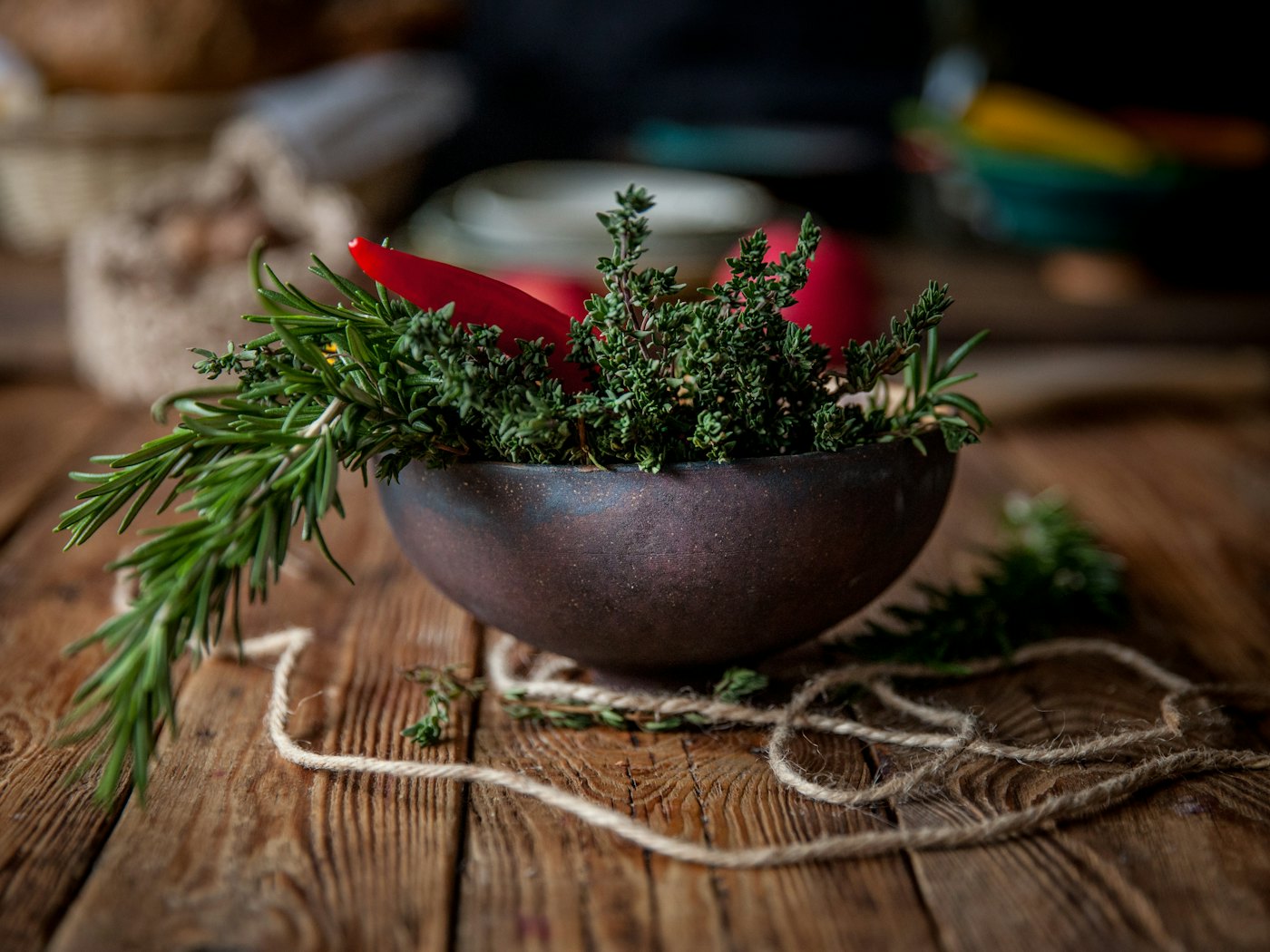
Dal is not a single dish. It is an entire category — the word refers both to any dried split legume and to the cooked preparation made from it, and the range of dal dishes across India's regional cuisines is vast: from Punjabi dal makhani (slow-cooked whole black lentils with cream) to South Indian sambar (dal cooked with tamarind and a dozen vegetables), from the thin, soupy moong dal of everyday Maharashtra to the thick, indulgent chana dal of Bengali cuisine. But among all of them, dal tadka — typically made from toor dal (pigeon pea) or masoor dal (red lentil), finished with a sizzling, fragrant tadka of ghee, cumin, garlic, dried chile, and often tomato — is the most ubiquitous, the most versatile, and the most revealing of how Indian cooking actually works.
The tadka is the technique that separates Indian cooking from every other culinary tradition. It is not seasoning added after cooking; it is an extraction process. The vast majority of flavor compounds in whole Indian spices — cumin, mustard, fenugreek, dried chiles, asafoetida — are fat-soluble, not water-soluble. Cooking them in water, or simply adding them to a water-based dal without a fat medium, extracts only a fraction of their aromatic potential. When these spices hit hot ghee at 180–220°C, fat-soluble volatile compounds are extracted instantly: cumin aldehyde from cumin, allyl isothiocyanates from mustard seeds, sulfurous aroma compounds from hing. The moment of pouring this sizzling, fragrant fat over finished dal — the sizzle, the steam, the aroma — is not theatrical. It is the actual cooking of the flavor.
For the dal: 200g toor dal (or masoor dal) · 500ml water (pressure cooker) or 700ml (stovetop) · ½ tsp turmeric · 1 tsp salt
Masala base: 2 tbsp ghee · 1 large onion, finely diced · 3 cloves garlic, minced · 1 tsp fresh ginger, minced · 2 medium tomatoes, finely chopped · 1 tsp cumin seeds · 1 tsp coriander powder · ½ tsp garam masala · red chile powder to taste · salt to taste
Final tadka: 2 tbsp ghee · 1 tsp cumin seeds · 2–3 dried red chiles · 4 cloves garlic, thinly sliced · ¼ tsp hing (asafoetida) · optional: 1 tsp Kashmiri chile powder for color
Rule 1: Fat must be very hot. For tadka to work, ghee or oil must reach smoking temperature before spices enter — 180–220°C; if the fat is not hot enough, spices will absorb fat rather than release aromatics; test: drop one cumin seed in — it should sizzle immediately and rise to the surface within 2 seconds.
Rule 2: Hing goes in first, for 3–5 seconds only. Asafoetida is incredibly volatile — its harsh sulfurous raw smell transforms to sweet, savory depth within 3–5 seconds of hitting hot fat; any longer and it becomes bitter; add it before other whole spices because once other spices go in, you lose track of timing.
Rule 3: Garlic in tadka = danger zone. Sliced garlic in the final tadka goes from raw to perfectly golden in 20–30 seconds at tadka temperatures; after 40 seconds it is burned; have everything ready before starting — there is no pausing a tadka once garlic hits the fat.
Rule 4: Pour immediately, cover for 30 seconds. Once the tadka is ready, pour it immediately over the dal and cover; the steam and trapped aroma compounds penetrate the dal; waiting even 30 seconds allows the most volatile aromatics to escape into the air.
Rule 5: Bhunao the masala base completely. In the masala base (onion-tomato stage), cook until the oil visibly separates from the tomato mixture — this indicates the raw tomato flavor has cooked out and the Maillard browning of tomato solids is complete; this typically takes 10–12 minutes of active stirring after adding tomatoes; rushing this step produces sour, raw-tasting dal.
Complete Method
Cook the dal. Rinse toor dal until water runs clear (removes surface starch that causes sticking). Pressure cooker: dal + water + turmeric + salt, cook on high for 3–4 whistles (or 15 min at pressure); natural release. Stovetop: bring to boil, skim foam, simmer covered 45–60 min until completely soft. The dal should be mashable between thumb and finger — if it has any bite, keep cooking. Mash partially with the back of a spoon to thicken.
Build the masala base. Heat 2 tbsp ghee in a heavy pan over medium-high. Add cumin seeds; once they sizzle and darken (10 sec), add onion. Cook onion, stirring frequently, until deep golden-brown — minimum 20–25 minutes; not just soft or translucent; deep brown means Maillard compounds have formed and the sweetness has concentrated. This is the most important step and the most skipped.
Add garlic and ginger. Add minced garlic and ginger to the browned onion. Cook 2–3 minutes, stirring constantly to prevent burning (garlic burns faster than onion in existing fat). Add coriander powder and chile powder; cook 1 minute.
Bhunao the tomatoes. Add chopped tomatoes. Cook over medium heat, stirring every 2 minutes, for 10–12 minutes until: the mixture looks drier and more cohesive; the oil has separated and is visible at the edges; the color has deepened; the mixture smells sweet rather than sharp/acidic. Add garam masala and salt. This is the bhunao stage — the tomatoes must lose their raw quality completely.
Combine and simmer. Add the cooked dal to the masala or pour the masala into the dal. Add water to reach desired consistency — dal should coat a spoon but flow easily. Simmer together for 10 minutes to integrate flavors. Adjust salt. The dal is ready for the tadka.
Final tadka — fast execution. Have everything pre-measured and ready. Heat 2 tbsp ghee in a small pan until it shimmers and begins to smoke slightly. Add dried chiles first (5 sec to darken slightly). Add hing (3–5 sec). Add cumin seeds (10 sec until they crack). Add sliced garlic (20–25 sec until golden, watch carefully). If using Kashmiri chile powder, add it now off heat (it burns instantly). Pour immediately over dal, cover, wait 30 seconds. Stir before serving. Finish with fresh cilantro and a squeeze of lemon.
Dhungar smoke method (optional, restaurant-style). After the tadka is incorporated: light a small piece of natural hardwood charcoal with tongs over a flame until glowing red-orange. Place a small steel bowl in the center of the dal (or on a piece of foil). Put the coal in the bowl. Pour 1 tsp ghee over the coal — it will begin smoking. Immediately cover the pot tightly. Let smoke infuse for 30–60 seconds; longer = stronger smoke. Remove coal and bowl before serving. This is how North Indian dhaba restaurants achieve the characteristic smoky dal flavor at home.
Dal Types Comparison
| Dal | Legume | Cook Time (PC) | Texture When Cooked | Flavor Profile | Best Use |
|---|---|---|---|---|---|
| Toor dal (pigeon pea) | Pigeon pea, split, skinned | 3–4 whistles | Creamy, semi-smooth | Earthy, slightly nutty, mild | Dal tadka, sambar, standard everyday dal |
| Masoor dal (red lentil) | Red lentil, split, skinned | 2 whistles | Very smooth, fully breaks down | Mild, slightly sweet | Fastest-cooking; good for beginners; smooth soups |
| Chana dal (Bengal gram) | Split chickpea | 6–7 whistles | Holds shape, slightly chunky | Rich, nutty, most complex | Bengali chana dal, South Indian dishes |
| Moong dal (mung bean) | Mung bean, split, skinned | 2 whistles | Very soft, smooth | Very mild, slightly sweet | Light everyday dal, khichdi; easiest to digest |
| Urad dal (black gram) | Black gram, whole | 15 whistles or overnight soak | Creamy interior, firm exterior | Richest, most umami | Dal makhani (whole); idli/dosa batter (ground) |