Beef Rendang: The Indonesian Recipe That Takes 4 Hours and Is Worth Every Minute
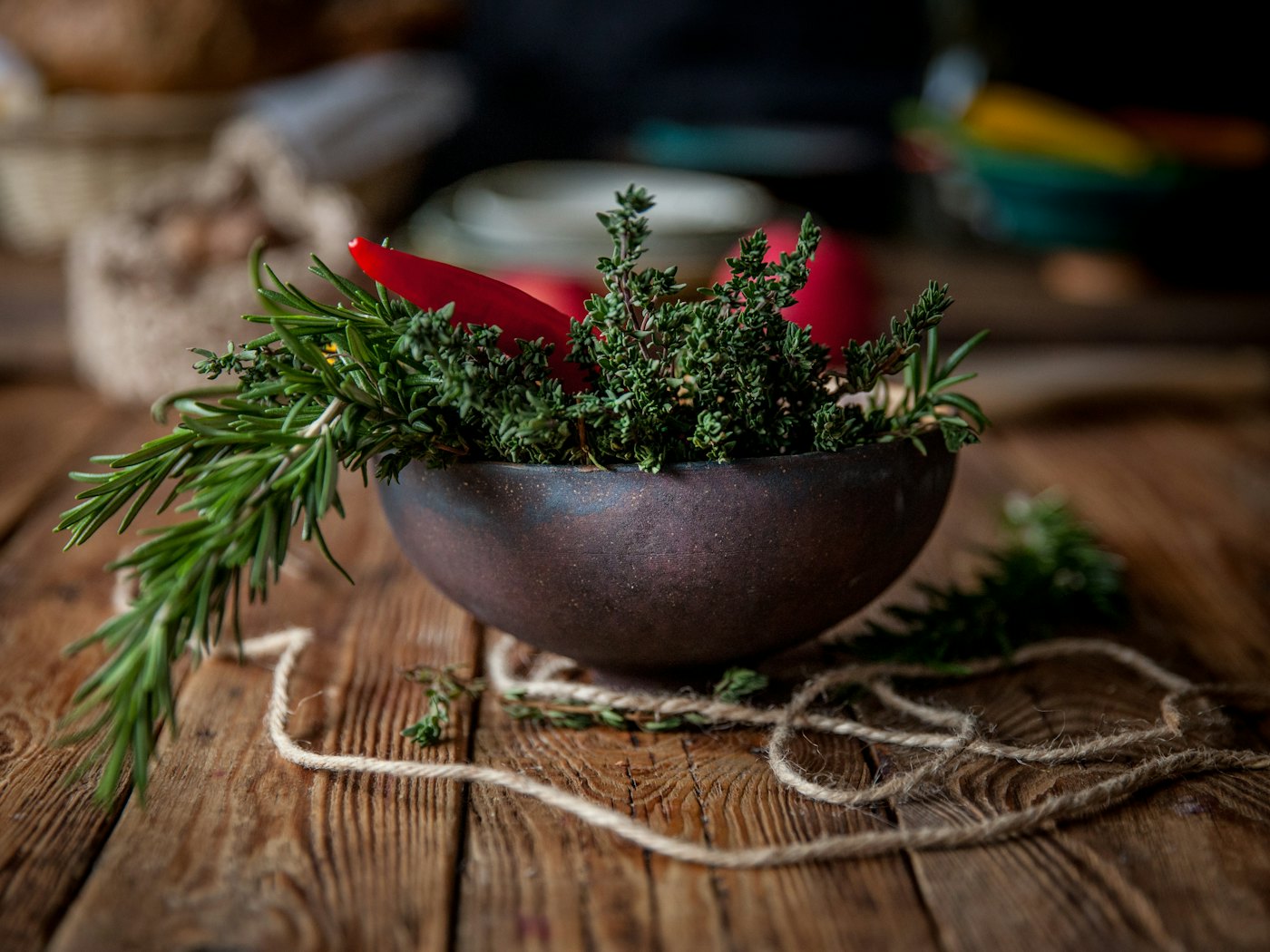
Rendang was voted the world's most delicious food in multiple global surveys — not because it's pretty, but because it contains more flavor per bite than almost anything else on earth. It's a West Sumatran dish (Padang cuisine) from the Minangkabau people, traditionally made for celebratory feasts precisely because it takes so long. The effort is the point: time and heat transform coconut milk into caramelized rempah (spice paste) that coats every surface of deeply tender beef.
The word "rendang" describes a technique, not a single recipe. True rendang goes through three distinct phases as moisture evaporates: gulai (a wet curry), kalio (a semi-dry "wet rendang"), and then finally rendang — the almost-dry, darkly caramelized version. Most Western "rendang" is actually kalio. This is the full 4-hour method.
- 8shallots, roughly chopped
- 6 clovesgarlic
- 5cmfresh ginger, peeled
- 5cmfresh galangal (laos) — substitute with extra ginger if unavailable, but galangal is distinct
- 3fresh red chilies (medium heat), or adjust to taste
- 4candlenuts (buah keras) — substitute with macadamia nuts for similar fat/texture
- 1 tspturmeric powder (or 2cm fresh turmeric)
- 1kgbeef chuck or brisket, cut into 5–6cm chunks (NOT lean cuts — fat is essential)
- 800mlfull-fat coconut milk (2 cans) — never light coconut milk
- 3 stalkslemongrass, bruised and tied in knot
- 6kaffir lime leaves (daun jeruk purut)
- 3turmeric leaves (daun kunyit) — optional but traditional
- 2star anise
- 1 stickcinnamon
- 4cardamom pods, lightly crushed
- 1 tbsppalm sugar (or brown sugar)
- Saltto taste
- 100gdesiccated coconut, dry-toasted in a pan until dark golden-brown, then pounded or blended to a paste — this is the flavor backbone of rendang
The three stages of rendang — know what you're aiming for
Step-by-step method
Make the kerisik first
Dry-toast desiccated coconut in a pan over medium heat, stirring constantly, until it turns dark golden-brown (this takes longer than you think — 10–15 minutes). It should smell nutty, not burnt. Pound in a mortar or blend to a paste — it will release oils and become cohesive. Set aside. This is added in the kalio stage and contributes massive flavor depth. Do not skip it.
Blend the rempah and fry until fragrant
Blend all rempah ingredients with a splash of water until completely smooth. In a large heavy-bottomed pot (Dutch oven is ideal), fry the rempah paste in 3 tbsp of oil over medium heat, stirring constantly, for 5–8 minutes until it darkens slightly, loses its raw smell, and the oil separates from the paste at the edges. This "matang" (cooked) rempah stage is crucial — raw rempah makes the final dish taste harsh.
Add beef and aromatics, then coconut milk — begin Stage 1
Add beef chunks to the pot and stir to coat with rempah. Add lemongrass, kaffir lime leaves, turmeric leaves, star anise, cinnamon, cardamom, palm sugar, and salt. Pour in coconut milk. Bring to a boil, then reduce to a steady simmer (not rolling boil). Cook uncovered or with lid slightly ajar. Stir every 15–20 minutes.
Add kerisik when liquid is half-reduced (Stage 2)
When the coconut milk has reduced by roughly half and the liquid is beginning to look thick and orange (about 60–90 min in), add the kerisik paste and stir well. Increase stirring frequency to every 5–10 minutes now as the risk of burning increases. The coconut fat will begin to separate visibly.
The final stage — stir constantly (Stage 3)
Once you can see the coconut oil frying the rempah and meat rather than simmering liquid, you're in the rendang stage. Switch to a silicone spatula. Stir every 1–2 minutes. The rempah will turn very dark — this is correct. Continue until the meat is completely coated in the dry, dark, caramelized paste and no liquid remains. Total time: 3–4 hours. Taste and adjust salt. Remove whole spices and lemongrass before serving.
Rendang is one of the few dishes that genuinely gets better over days. The flavors meld and deepen — day 3 rendang out-tastes day 1 rendang consistently. It keeps for 3–4 days at room temperature in Indonesia (the dryness and spices are preservative), and much longer refrigerated. Make a large batch. The 4-hour investment becomes efficient at scale.