Tom Yum Soup: The Thai Hot and Sour Broth Built on Three Aromatics
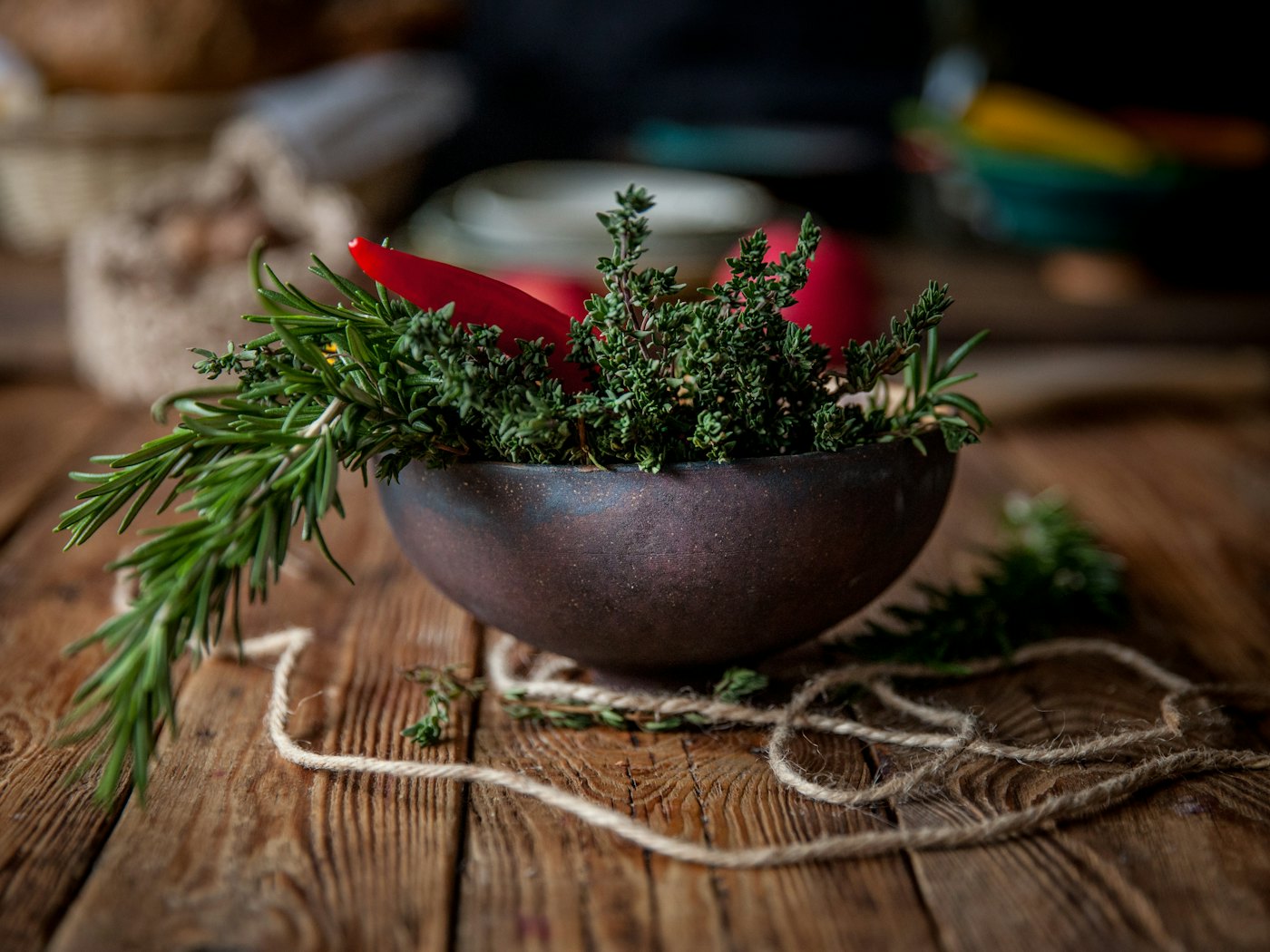
Tom yum (ต้มยำ) is Thailand's most internationally famous soup — a sharp, hot, sour broth with a fragrance profile unlike anything else in the world. The name is a description: tom means "to boil"; yum means "mixed" or "the tossing together of flavors." The soup is defined by its three aromatic anchors — lemongrass, galangal, and kaffir lime leaves — and balanced by the four flavor pillars of Thai cooking: sour (lime juice), spicy (Thai chilies), salty (fish sauce), and subtly sweet.
Tom yum kung (กุ้ง = shrimp) is the most common version abroad. Tom yum gai (ไก่ = chicken) is more common at home in Thailand. The broth is identical — the protein is interchangeable. The two main variants are tom yum nam sai (clear broth, the more elegant version) and tom yum nam khon (creamy, made by adding evaporated milk or coconut cream in the last minute). This recipe teaches the clear broth version, which is the more traditional and generally more complex-tasting preparation.
Lemongrass (ตะไคร้, ta-krai): The floral, citrusy backbone of tom yum. You use only the lower 15cm of the stalk, bruised with the back of a knife to release oils, and simmered in the broth. It's not eaten — it's a flavor vehicle. Dried lemongrass or lemongrass paste are weak substitutes for fresh. Fresh frozen lemongrass (increasingly available) works well.
Galangal (ข่า, kha): Often called "Thai ginger," but galangal is a different rhizome — sharper, more piney, less sweet than ginger. Its skin is pale yellow and its flesh is harder and more peppery than ginger. Do not substitute ginger — it changes the flavor profile fundamentally. Found fresh or frozen at Asian grocery stores; dried is a poor substitute but better than nothing.
Kaffir lime leaves (ใบมะกรูด, bai makrut): The double-lobed leaves of the kaffir lime tree carry an intensely aromatic essential oil — floral, citrusy, and complex. Tear them in half before adding to release oils. Like lemongrass and galangal, they're flavoring agents, not food — don't eat the leaves whole (they're tough). Fresh or frozen leaves are vastly superior to dried.
Ingredients
- 1 liter (4 cups) good chicken stock (or shrimp stock for more depth)
- 3 stalks lemongrass, lower 15cm only, bruised and cut into 4cm pieces
- 6–8 slices fresh galangal (about 3mm thick)
- 6 kaffir lime leaves, torn in half
- 4–8 Thai bird's eye chilies, bruised (adjust to heat preference)
- 3–4 tablespoons fish sauce (start with 3, adjust at end)
- 3–4 tablespoons fresh lime juice (from ~2 limes)
- 1 teaspoon palm sugar or light brown sugar
- 300g (10 oz) large shrimp, peeled and deveined (or 300g chicken thigh, thinly sliced)
- 200g (7 oz) oyster mushrooms or straw mushrooms, roughly torn (or Thai straw mushrooms)
- 2 medium tomatoes, quartered (important — adds body and acidity)
- 1 white onion or shallots, quartered
- 2 tablespoons Thai roasted chili paste (nam prik pao) — optional but traditional and highly recommended
- Fresh cilantro for garnish, chopped
- 2 green onions finely sliced for garnish
- ½ cup evaporated milk or coconut cream — only for the tom yum nam khon (creamy) version
Method
Build the aromatic broth
Bring stock to a boil in a medium pot. Add lemongrass, galangal, kaffir lime leaves, and chilies. Reduce to a vigorous simmer and cook for 5 minutes. The stock will turn slightly golden and fragrant. This is the most important step — the aromatics need time to infuse the broth. Don't skip this step by adding everything at once.
Add vegetables and season
Add the onion and tomatoes to the broth. Simmer 3 minutes. Add fish sauce, lime juice, and sugar. Taste the broth now — this is your opportunity to calibrate before the protein goes in. It should be intensely savory, sour, spicy, and a little funky. Lean into all four directions; the soup needs to be bold. Add mushrooms and cook 2 minutes.
Cook the protein gently
Add shrimp (or chicken). For shrimp: cook 2–3 minutes until just pink and curled — they overcook fast and become rubbery. For chicken thighs: cook 4–5 minutes until just cooked through. Turn off the heat immediately when the protein is done. The soup will continue cooking from residual heat if you let it sit.
Final seasoning and the nam prik pao
If using nam prik pao (roasted chili paste), stir it in off the heat — this adds smokiness, umami depth, and a reddish color. Taste one more time: add more fish sauce if not salty enough, more lime if not sour enough, more chili paste or fresh chilies if not hot enough. Final garnish: fresh cilantro and green onion, added at the moment of serving so they stay bright and fragrant. Serve immediately — tom yum is best consumed the moment it's made.
After step 4, stir in ½ cup evaporated milk (the traditional version) or ¼ cup coconut cream (richer, less common). Bring back just to a simmer — do not boil the creamy version or it curdles. The milk rounds out the acidity and creates a more filling, less sharp soup. In Thailand, this version is common in street stalls and home cooking; the clear version is more common in restaurants.
Stock quality: Thai street stalls almost always use real shrimp or chicken stock, simmered for hours, sometimes concentrated. If you're using store-bought chicken broth, your soup will taste thinner. A good fix: simmer shrimp shells in the stock for 10 minutes before adding aromatics — the shells add sweetness and depth that transforms the base.
Nam prik pao: This roasted chili paste is non-negotiable for the version you get at a good Bangkok restaurant. It adds an essential smoky, complex umami layer. Look for it jarred at Asian grocery stores (Mae Ploy and Mae Sri are reliable brands).
Order of lime juice: In authentic Thai cooking, lime juice is almost always added off the heat — boiling lime juice destroys its fresh, bright flavor and introduces bitterness. Add it after removing from heat and always taste before serving.