Coq au Vin: The Classic French Braised Chicken in Red Wine — Traditional Burgundian Method
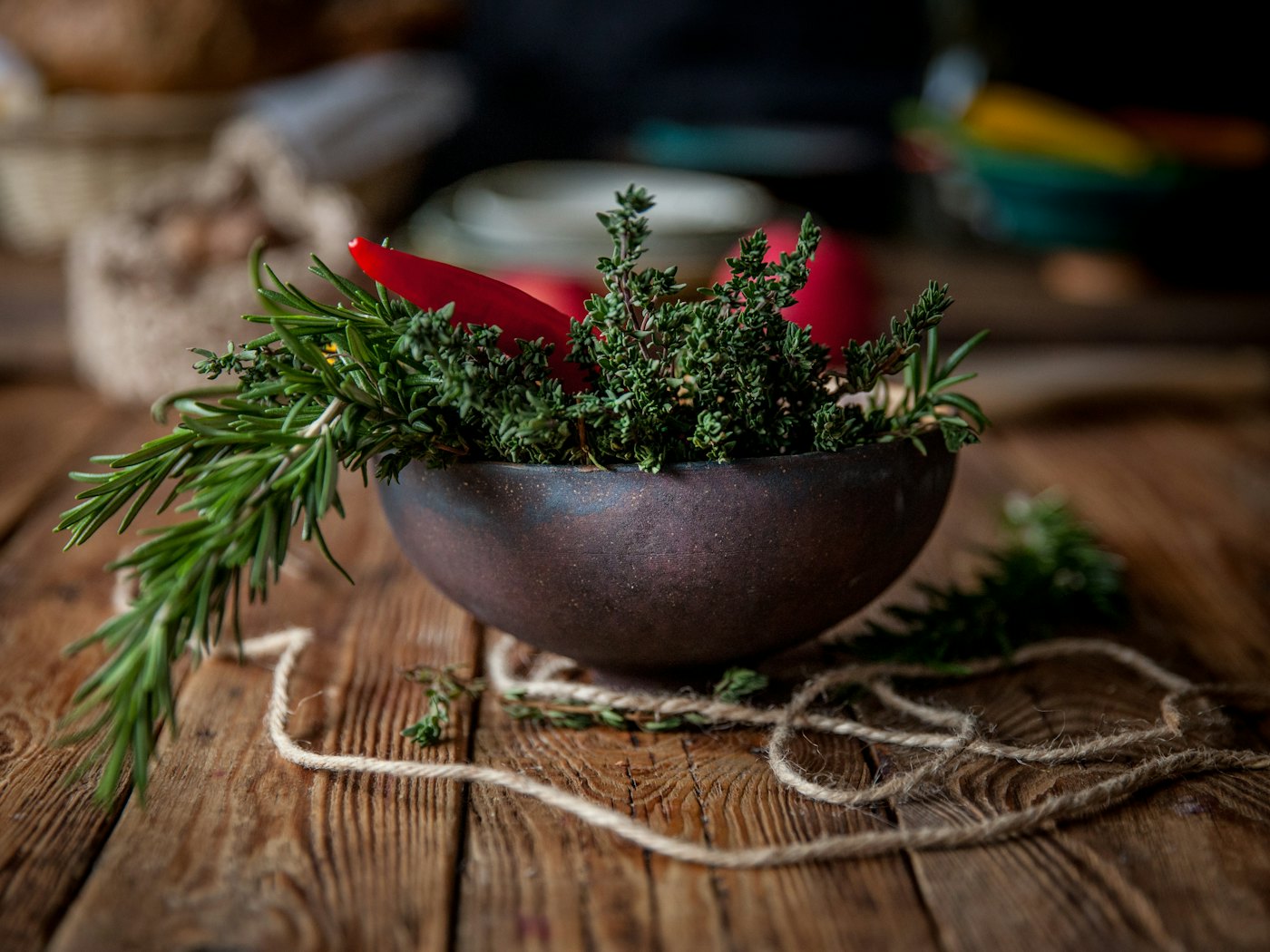
Coq au Vin is French peasant cuisine at its most sophisticated — a dish born of necessity (old, tough roosters that needed hours of braising to become edible) that evolved, over centuries of refinement, into one of the canonical expressions of French cooking technique. A full bottle of Burgundy wine. Salt-cured pork lardons. Pearl onions glazed in butter. Mushrooms sautéed separately to preserve their texture. A cognac flambé that caramelizes the chicken surface. And a braising liquid that reduces over an hour and a half to a sauce of extraordinary depth.
The technique lessons packed into Coq au Vin are foundational to French cooking: the Maillard reaction and why you brown in batches (not crowds); the flamber technique and what alcohol flambéing actually achieves; the purpose of the bouquet garni (aromatics that infuse and are discarded); the difference between a sauce that simmers at a lazy bubble and one that boils (the latter toughens protein and clouds the liquid); and beurre manié — the French technique of finishing a braise with kneaded butter and flour to achieve the silky, glossy consistency that distinguishes a restaurant sauce from a home braise.
Julia Child's 1961 version in Mastering the Art of French Cooking introduced the dish to American home cooks and remains the template most recipes follow. The traditional Burgundian version uses a whole rooster, Pinot Noir from Burgundy, and months of technique refinement. This version uses bone-in chicken thighs and legs — available anywhere, forgiving, and producing superior results to chicken breast in any braise.
The 5 Rules of Coq au Vin
The Maillard reaction (amino acid + sugar browning) requires high, dry heat; when too many pieces of wet chicken are added to the pan simultaneously, the temperature drops, steam accumulates, and the chicken steams rather than browns; the result is pale, rubbery skin with no developed flavor and no fond (browned bits on the pan bottom); brown chicken in 2–3 batches with 1–2 inches of space between pieces; medium-high heat; 4–5 minutes per side until deep golden brown; the fond left in the pan is the flavor foundation of the entire sauce — do not discard it or wash it between batches; deglaze with cognac before the wine to capture it
After browning the chicken, return all pieces to the pan, heat cognac (2–3 tablespoons), pour over the chicken, and immediately light with a long match or kitchen torch; the flame burns for 20–30 seconds; the flambé serves two purposes: burning off the harsh raw alcohol (which remains in large quantities without the high heat of the flame), and creating a brief Maillard caramelization on the outer surface of the chicken that adds complexity; the cognac that isn't burned becomes part of the sauce; use a high-proof cognac or brandy (VS/VSOP); standard cooking wines at lower proof do not flamber effectively; lean back from the pan when lighting
Traditional Coq au Vin uses a full 750ml bottle of red wine for 4–6 servings; this is not excessive — much of the wine evaporates during the 1.5-hour braise, concentrating the remaining liquid into a deeply flavored sauce; use a wine you would drink — it does not need to be expensive, but it must be good enough to drink; avoid "cooking wine" (high sodium, poor flavor); Burgundy (Pinot Noir) is traditional; any full-bodied red (Côtes du Rhône, Merlot, Cabernet Franc) works; some Alsatian versions use Riesling for a white wine variant; the quality and character of the wine is the primary flavor driver of the sauce
Both mushrooms and pearl onions are cooked separately and added only in the final 20–30 minutes; mushrooms sautéed at the beginning of a 1.5-hour braise become rubbery, shrunken, and flavorless; sauté cremini or button mushrooms in butter over high heat until golden (5–7 minutes), season, and set aside; pearl onions are blanched (to remove skins), then glazed in butter and a pinch of sugar until golden and caramelized; both are added to the braise for the last 20–30 minutes to absorb sauce flavors while maintaining their individual texture and integrity; this is the technique distinction that separates restaurant Coq au Vin from home versions where everything is thrown in together
Beurre manié (kneaded butter): equal parts softened butter and flour kneaded into a smooth paste; whisk small pieces into the finished braising liquid over heat; the flour thickens the sauce and the butter emulsifies it to a silky, glossy consistency; this is the classic French technique for finishing pan sauces and braises without the clumping risk of a flour slurry and without the heaviness of a cornstarch gel; make 2 tablespoons butter + 2 tablespoons flour; add in small walnut-sized pieces while whisking vigorously; the sauce should coat the back of a spoon; alternatively: remove chicken, reduce the braising liquid on high heat for 10–15 minutes until it reaches nappé consistency (without beurre manié)
Recipe
Method
- 1Render the lardons and brown the chicken: In the Dutch oven over medium heat, cook lardons until golden and fat is rendered (8–10 minutes); remove with a slotted spoon; leave fat in pan. Pat chicken pieces completely dry; season generously with salt and pepper. Over medium-high heat, brown chicken skin-side down in 2 batches (don't crowd); 4–5 minutes per side until deep golden; remove and set aside. Leave the fond in the pan.
- 2Flamber: Return all chicken to the Dutch oven; heat cognac in a small saucepan until warm; pour over chicken; immediately ignite with a long match (lean back); let flames burn out (20–30 seconds); this burns off harsh alcohol and caramelizes the surface.
- 3Build the braise: Remove chicken again temporarily; add garlic and tomato paste to the pan; cook 1 minute until tomato paste darkens slightly; add wine and stock; scrape up all the fond from the pan bottom; return chicken and lardons; add bouquet garni; bring to a lazy simmer (not a boil — just the occasional lazy bubble).
- 4Braise: Cover and cook over low heat (or in a 160°C/325°F oven) for 1 hour to 1 hour 15 minutes; the chicken is done when the meat pulls easily from the bone and a thigh registers 82°C/180°F internally; while braising, prepare mushrooms and pearl onions separately.
- 5Prepare garnishes: Mushrooms: sauté in butter over high heat until golden (5–7 min); season; set aside. Pearl onions: blanch 1 minute; peel; glaze in butter with a pinch of sugar until golden and caramelized (10–12 minutes); season. Add both to the braise for the final 20 minutes.
- 6Finish the sauce: Remove chicken; remove bouquet garni; bring braising liquid to a simmer; knead butter and flour into a smooth paste (beurre manié); whisk into the sauce in small pieces until it reaches a glossy, nappé consistency (coats a spoon); taste and adjust seasoning; return chicken to sauce; serve immediately or refrigerate overnight and reheat gently (next-day flavor is superior).
The French braise canon: Coq au Vin is one of four canonical French poultry/meat braises: boeuf bourguignon (beef version, same technique, lardons/mushrooms/pearl onions, same wine); daube de boeuf (Provençal beef braise with orange peel, olives, herbes de Provence, and rosé wine); blanquette de veau (white veal braise in cream sauce — no browning, very different technique); navarin d'agneau (spring lamb braise with root vegetables — more delicate than Coq au Vin). Understanding Coq au Vin technique unlocks all red-wine braises.
Serving: Serve Coq au Vin with a starch that can absorb the sauce: buttered egg noodles (classic pairing in Burgundy); pommes purée (Joël Robuchon-style potato purée, very rich); steamed rice; or crusty French bread to wipe the plate; a simple green salad dressed with Dijon vinaigrette is the traditional accompaniment; drink the same wine used in the braise alongside the dish.
Next-day superiority: Like all braises, Coq au Vin is better the next day; the collagen extracted from chicken bones during the braise sets to a loose gel when refrigerated, enriching the sauce further; reheated gently (not boiled), the sauce becomes even more cohesive and flavorful; if making ahead, add the mushrooms and pearl onions during reheating rather than initial cooking to preserve their texture.