Moroccan Lamb Tagine: Preserved Lemon, Beldi Olives, Ras el Hanout, and the Condensation Science of the Conical Lid
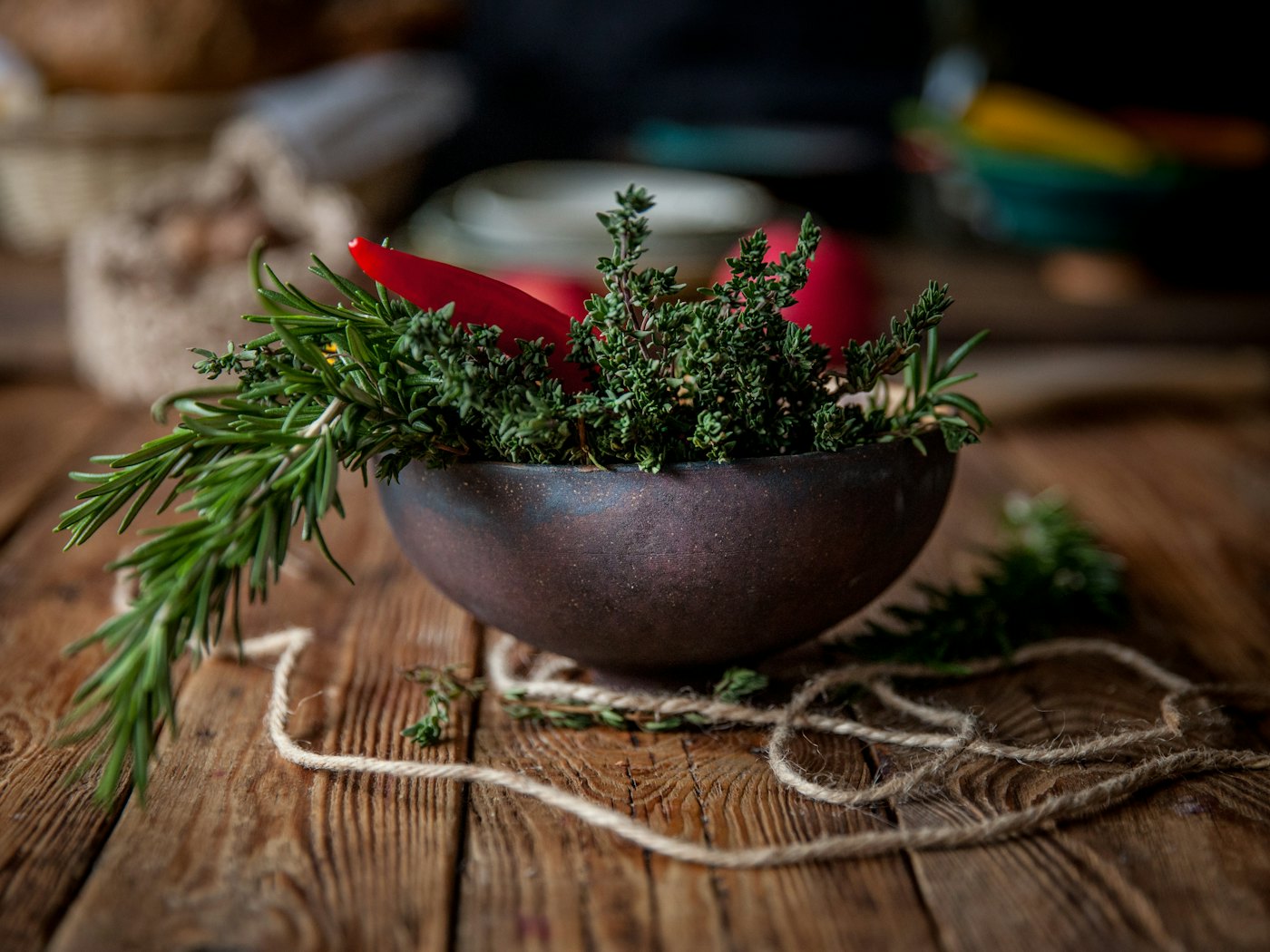
A tagine is simultaneously a cooking vessel and the dish prepared within it. The conical clay lid is not decorative — it is functional engineering. As steam rises from the braising liquid, the cone shape channels it upward where the temperature is lower, causing condensation. The water droplets run back down the inside of the cone and fall continuously onto the meat below, creating a self-basting system that requires far less liquid than a standard braise. The result: intensely concentrated flavors, supremely tender meat, and an aromatic sauce that has never been diluted with excess water.
Moroccan cuisine is one of the great spice traditions of the world — shaped by Berber, Arab, Andalusian, and sub-Saharan influences accumulated over 1,000 years. The lamb tagine with preserved lemon and olives is one of its most celebrated preparations: sweet, salty, sour, and deeply savory in a single dish. The three non-negotiable ingredients are preserved lemon (makbouss — salt-cured whole lemons, not fresh lemon juice), beldi olives (small, bitter Moroccan olives cured in salt rather than brine), and ras el hanout (the complex house spice blend, 12–25 ingredients).
The 5 Rules of Authentic Lamb Tagine
Maillard reaction on the lamb surface provides the savory depth that distinguishes a tagine from a pale stew; crowd the pan and the lamb steams rather than browns; work in batches of 3–4 pieces with direct contact with hot oil; brown on all sides (3–4 minutes per side); this step takes 20–25 minutes total and cannot be rushed; argan oil or olive oil — argan gives a nuttier, more distinctly Moroccan flavor
After browning and softening onions, add ras el hanout, ground ginger, cumin, turmeric, and bloomed saffron directly to the dry-ish pan; cook 2–3 minutes stirring constantly until fragrant; the spices bloom in residual fat and form a paste; adding liquid too soon washes spices off the fond; this spice-toasting step is the flavor foundation of the entire dish
Preserved lemon (hamad m'rakad — lemons packed in salt for minimum 4 weeks) undergoes enzymatic fermentation that removes bitterness and transforms the peel into something soft, floral, and intensely aromatic; only the rind is used (discard the salty pulp); fresh lemon juice produces sharp acidity that overpowers the dish; preserved lemons are available in Middle Eastern markets or can be made 4 weeks in advance
Cooked for the full 3 hours, preserved lemon turns bitter and olives go mushy; added in the final 30 minutes, both retain their identity while absorbing the sauce's flavor; taste olives before adding — if very salty, rinse and briefly soak; the final 30-minute phase is also when the sauce concentrates to its final richness
The tagine vessel requires low, even heat; boiling destroys the conical lid's condensation mechanism and toughens the meat; correct heat: liquid barely trembles with occasional small bubble at the edge; stovetop tagines require a heat diffuser (direct flame creates hot spots that crack unglazed clay); oven method at 160°C/320°F provides more even heat and is preferred for clay tagines; Dutch oven is an acceptable substitute
Recipe
Method
- 1Marinate overnight: Coat lamb thoroughly in chermoula paste, cover, and refrigerate minimum 8 hours (24 hours preferred). Remove from refrigerator 30 minutes before cooking.
- 2Brown the lamb in batches: Heat oil in a heavy Dutch oven or tagine base over medium-high. Scrape excess marinade off lamb. Brown in uncrowded batches — 3–4 minutes per side until deeply caramelized on all surfaces. Transfer to plate. Total: 20–25 minutes.
- 3Soften the onions: In the same pot, add sliced onions. Cook over medium heat, stirring occasionally, 15–20 minutes until very soft, collapsed, and beginning to turn golden.
- 4Bloom the spices: Add ras el hanout, ground ginger, and bloomed saffron water to the onions. Stir constantly 2–3 minutes until paste forms and the pan smells deeply fragrant.
- 5Braise low and slow: Return browned lamb to pot. Add stock (halfway up the meat only). Add honey if using. Bring to the barest trembling simmer, cover, and cook at 160°C (320°F) in oven or on lowest stovetop setting with diffuser for 2–2.5 hours, until lamb cuts with a spoon.
- 6Add preserved lemon and olives: Nestle preserved lemon rind and olives into the sauce. Continue uncovered for 25–30 minutes — sauce reduces and concentrates. Taste before salting (preserved lemon and olives contribute significant salt).
- 7Finish and serve: Scatter fresh cilantro generously. Serve directly from the vessel. Accompany with couscous or warm Moroccan khobz bread. Optional argan oil drizzle at table for authentic Moroccan finish.
Ras el hanout — the master blend: The name means "head of the shop" in Arabic — the merchant's finest spices; no fixed recipe; household and regional variations span 12–25+ ingredients; core spices: cumin, coriander, ginger, cinnamon, black pepper, turmeric, cardamom, cloves; complex versions add: rose petals, lavender, orris root, long pepper, cubeb, mace; quality varies enormously — buy from Moroccan or Middle Eastern spice shops where blend is made in-house, or assemble from whole spices you toast and grind.
Other Moroccan tagine varieties: Chicken tagine with preserved lemon and olives (djaj bel zaytoun) — the most commonly made version in Morocco; kefta tagine (spiced meatballs and eggs in tomato sauce) — quick 45-minute weeknight version; vegetable tagine with chickpeas, root vegetables, raisins, and honey; fish tagine (hout bel chermoula) — common in coastal Essaouira and Agadir; prune and almond lamb tagine (mrouzia) — sweet, rich, served at Eid celebrations.
Korarima and argan oil: Two ingredients that distinguish authentic Moroccan flavor from imitations — korarima (Ethiopian cardamom, Aframomum corrorima, also used in Moroccan spice blends) has a eucalyptus-floral complexity unavailable from regular cardamom; argan oil (pressed from the argan tree of southwest Morocco, UNESCO heritage product) has a distinctive nutty richness unavailable from olive oil; both are worth sourcing from specialty importers for authentic results.